
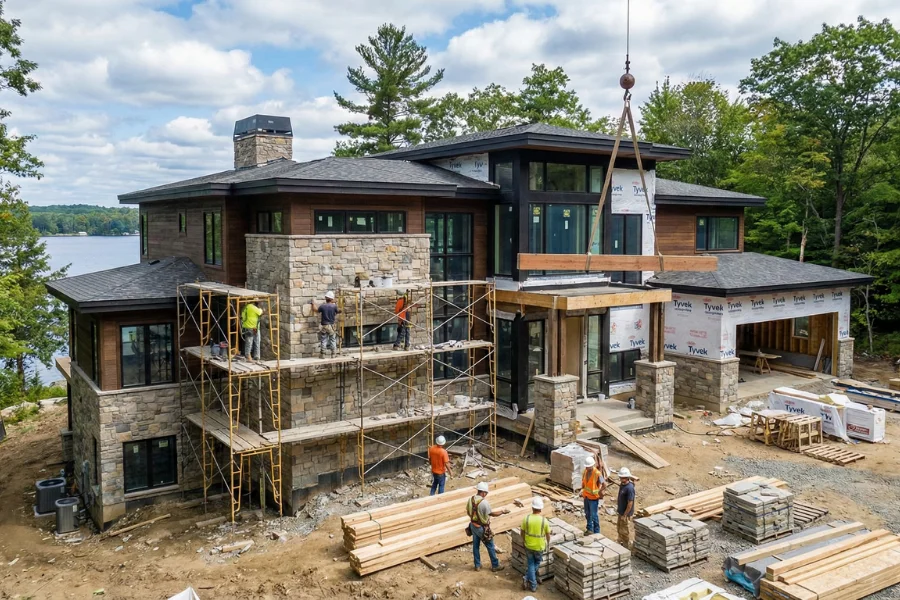
One of the first questions homeowners ask when considering a custom home is simple: how much will it cost? While the answer depends on many factors, understanding how construction costs are evaluated can help homeowners plan their project with greater confidence.
Custom homes are fundamentally different from purchasing a completed property or building within a production development. Each project is unique, shaped by the design vision, the characteristics of the building site, the materials selected, and the complexity of the architecture.
Because of this, custom home construction costs are typically evaluated through a structured planning process rather than a single fixed number at the beginning.
At Abode Construction, cost planning begins early in the design and discovery stages. By evaluating architectural ideas alongside construction realities, the team helps homeowners understand how design choices influence the final investment.
Why Custom Home Costs Can Vary Significantly
Unlike standardized housing developments, custom homes do not follow a uniform template. Every project introduces different variables that influence the final cost.
Some of the most important factors include:
- size and square footage of the home
- complexity of the architectural design
- structural engineering requirements
- site conditions and land preparation
- material selections and finishes
- mechanical, electrical, and plumbing systems
- permitting and regulatory requirements
A simple rectangular structure with standard materials will cost far less than a home with complex rooflines, large spans, custom millwork, and advanced mechanical systems.
This is why experienced builders evaluate costs as the design evolves rather than relying on broad estimates early in the process.
Site Conditions and Their Impact on Construction Costs
The land where a home is built plays a major role in determining the overall construction cost.
Site characteristics influence foundation design, drainage planning, and structural engineering requirements. For example, building on a flat suburban lot is typically more straightforward than building on a sloped property or land with challenging soil conditions.
Some site-related factors that can influence cost include:
- grading and excavation requirements
- soil conditions and foundation engineering
- drainage and stormwater management
- access for construction equipment
- utility connections and infrastructure
At Abode Construction, site evaluation is an important early step in the project. Understanding the physical characteristics of the property allows the design team to develop plans that work efficiently with the land rather than against it.
This early evaluation often prevents costly surprises later in the project.
Architectural Design and Structural Complexity
Design decisions play one of the largest roles in determining the cost of a custom home.
Architectural elements that influence construction complexity include structural spans, ceiling heights, rooflines, and the integration of large window systems. While these features can create beautiful and distinctive homes, they may also require additional engineering and specialized construction techniques.
Some design elements that commonly influence cost include:
- multi-story structures and open floor plans
- large glass panels or custom window systems
- vaulted ceilings and complex roof structures
- cantilevered architectural features
- custom staircases or structural steel elements
Builders work closely with architects during the design phase to ensure that the architectural vision remains aligned with the construction budget.
This collaboration helps homeowners balance aesthetics with structural practicality.
Material Selections and Interior Finishes
Materials and finishes also have a significant influence on construction costs.
Exterior materials such as stone, brick, or specialized siding systems often require different installation techniques and structural support. Interior finishes, including cabinetry, flooring, lighting, and millwork, can also vary widely in cost depending on the level of customization.
Homeowners typically make decisions about:
- exterior cladding materials
- roofing systems
- window and door specifications
- cabinetry and built-in features
- flooring materials
- lighting and hardware selections
These choices allow homeowners to tailor their home to their personal preferences, but they also influence the overall project budget.
At Abode Construction, design discussions often include conversations about how different material selections may affect both aesthetics and cost.
Mechanical Systems and Long-Term Performance
Beyond visible finishes, modern homes rely on sophisticated mechanical systems that influence comfort, energy efficiency, and long-term performance.
Mechanical, electrical, and plumbing systems must be carefully integrated into the design of the home. High-performance systems may involve advanced HVAC equipment, energy-efficient insulation strategies, and integrated smart home technologies.
Examples of systems that influence cost include:
- heating and cooling equipment
- ventilation and indoor air quality systems
- electrical infrastructure and lighting systems
- plumbing fixtures and piping networks
- energy efficiency upgrades
While these systems may not always be visible, they play a critical role in how the home performs over time.
Investing in high-quality mechanical systems can improve comfort and reduce long-term operating costs.
The Importance of Pre-Construction Planning
One of the most effective ways to manage construction costs is through careful planning before construction begins.
During the pre-construction phase, the design team and builder evaluate the project from multiple angles. This process allows the team to identify potential challenges, refine the design, and develop realistic cost projections.
Typical planning steps include:
- architectural concept development
- structural engineering coordination
- site evaluation and permitting review
- cost modeling and budgeting
- scheduling and timeline development
At Abode Construction, this stage is considered essential to delivering projects that remain aligned with both the homeowner’s design goals and financial expectations.
By addressing these details early, the team can reduce the likelihood of costly changes during construction.
Balancing Vision and Budget
One of the most important aspects of custom home construction is balancing creative design ideas with financial realities.
Homeowners often begin the process with a list of features they hope to include in their new home. Through collaboration with architects and builders, these ideas can be refined and prioritized.
In some cases, certain architectural elements may require adjustments in order to remain within the desired budget. In other cases, homeowners may choose to invest more in specific areas that matter most to them.
Related: Guide to Estimating for Residential Construction
The goal is not simply to reduce costs but to ensure that resources are allocated in ways that maximize long-term value.
Why Transparency Matters in Custom Home Construction
Clear communication about cost expectations is essential throughout the building process.
Homeowners should feel confident that the construction team is providing honest assessments and realistic projections. Transparent discussions about cost help prevent misunderstandings and allow the project to move forward smoothly.
At Abode Construction, transparency is a central part of the building experience. Homeowners receive clear explanations of project timelines, budgeting considerations, and construction milestones so they can make informed decisions at every stage.
This open communication helps build trust and ensures that the project remains aligned with the homeowner’s expectations.
Related: Choosing the Right Custom Home Builder
Building a Home That Delivers Long-Term Value
While construction cost is an important consideration, the true value of a custom home is measured over many years.
Thoughtful design, durable materials, and high-quality craftsmanship all contribute to the long-term performance of the home. Investing in careful planning and experienced construction management can help ensure that the finished property delivers both comfort and lasting value.
For homeowners considering a custom home in Maryland or the DC Metro area, working with an experienced team can make the entire process more organized and predictable.
At Abode Construction, the focus is on guiding homeowners through each stage of the journey, from early planning and design development to construction and final completion, while ensuring that the project reflects the homeowner’s vision and stands the test of time.
If you are exploring the idea of building a custom home, taking the time to understand how costs are evaluated is an important first step toward creating a home that truly fits your goals and lifestyle.
5 FAQs
1. How much does it cost to build a custom home?
The cost of building a custom home varies widely depending on location, size, design complexity, materials, and site conditions. Instead of a fixed price, costs are typically developed through a planning process that aligns the design with the budget.
2. What factors affect the cost of building a custom home?
Key factors include square footage, architectural complexity, site conditions, material selections, and mechanical systems. Permits, labor, and infrastructure requirements also play a significant role in the final cost.
3. Why do custom home costs vary so much?
Custom homes are unique projects with different designs, materials, and site conditions. Unlike production homes, each decision—from layout to finishes—affects the total cost, making pricing highly variable.
4. Can I control the budget when building a custom home?
Yes, budget can be managed through early planning, design collaboration, and prioritizing features. Working closely with a builder during the design phase helps align your vision with realistic cost expectations.
5. Is building a custom home more expensive than buying one?
Building a custom home can be more expensive upfront, but it often provides better long-term value through personalized design, higher-quality materials, and improved energy efficiency.

Scott Saling is the owner of Abode Construction LLC, a residential contracting and remodeling company based in Gaithersburg, MD. A second-generation contractor and third-generation Marine Corps veteran, he brings military-level planning, discipline, and attention to detail to every project.
With two combat deployments to Iraq, Scott values clear communication above all, believing that keeping homeowners informed at every stage is key to a successful project. His commitment to transparency, craftsmanship, and customer satisfaction drives every renovation his team delivers.