
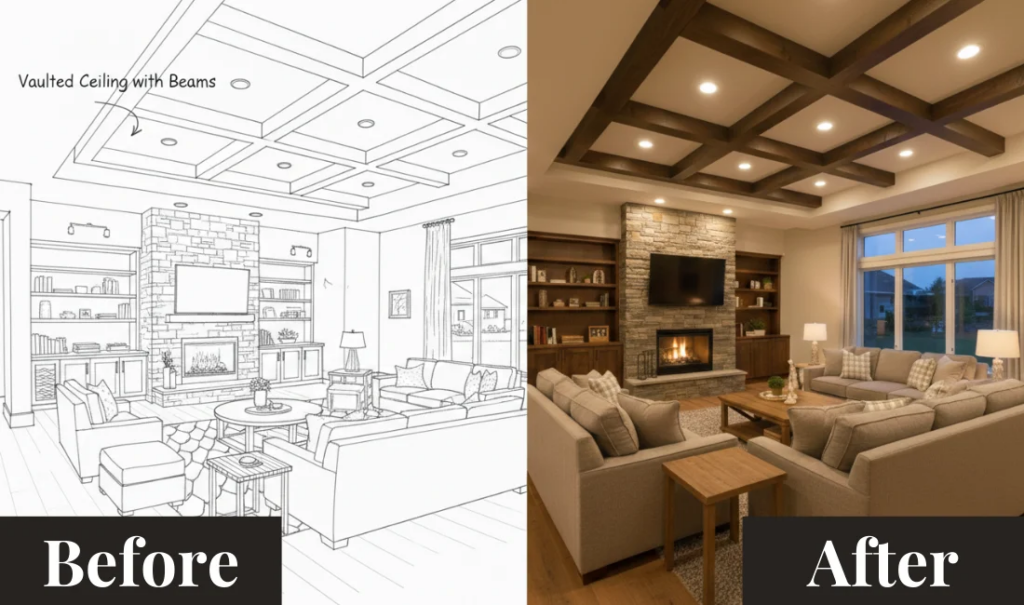
Planning a custom home is exciting, but it also involves many moving parts. Architectural design, engineering, permitting, financing, and construction must all align to transform an idea into a finished home. Without a clear process, projects can quickly become overwhelming for homeowners who are navigating these decisions for the first time.
At Abode Construction, the goal is to simplify that journey. As a service-disabled veteran-owned small business serving Maryland and the DC Metro area, the company has developed a clear, transparent process designed to guide homeowners from the first conversation through the final walkthrough. Rather than leaving clients to coordinate multiple professionals on their own, the team works as a unified partner throughout the entire building experience.
Understanding how this process works can help homeowners feel more confident when planning a custom home or a major renovation.
A Structured Approach to Custom Home Building
Custom home construction works best when there is a structured framework guiding the project. A well-organized process helps ensure that design ideas remain aligned with the realities of construction, budgeting, and site conditions.
At Abode Construction, projects are approached through a sequence of carefully planned stages that move from initial conversation to final delivery. Each phase builds on the one before it, allowing homeowners to move forward with clarity and confidence.
Related: Choosing the Right Custom Home Builder
The goal is simple: remove uncertainty from the building process while maintaining flexibility for creativity and personalization.
This approach typically includes:
- early conversations to understand the homeowner’s goals
- collaborative design development
- careful site evaluation and planning
- transparent budgeting and scheduling
- disciplined construction management
- final walkthrough and project completion
By structuring the project this way, the entire team, from architects to subcontractors, can work toward the same vision.
Step One: The Initial Connection
Every successful custom home project begins with a conversation. The first step is not about construction plans or permits, it is about listening.
Homeowners can begin their journey with Abode Construction through a simple phone call, a website inquiry, or even a message through platforms such as Angi. Once contact is made, the team schedules an initial consultation or discovery meeting.
This meeting often takes place through a video call with members of the architectural and design team. During this conversation, homeowners have the opportunity to share their ideas, goals, and expectations for the project.
At this stage, discussions typically focus on:
- the type of home or renovation envisioned
- desired architectural style and layout
- the general project timeline
- early budget expectations
- potential building locations or property considerations
This early dialogue helps establish a shared understanding of the project before moving into more detailed planning.
Step Two: Discovery and Vision
After the initial connection, the project enters a deeper discovery phase. This is where the vision for the home begins to take shape.
During this stage, architects and designers work closely with homeowners to translate ideas into early design concepts. Conversations often explore how the home will function day to day, how spaces should connect, and how the design can support the homeowner’s lifestyle.
Some topics typically explored during this phase include:
- overall layout and spatial flow
- natural light and orientation of rooms
- integration of indoor and outdoor living spaces
- long-term functionality of the home
- architectural style and aesthetic preferences
These discussions allow the design team to begin putting ideas on paper. Early sketches and conceptual plans help visualize the direction of the project.
This collaborative process ensures that the design reflects the homeowner’s vision while also remaining grounded in practical construction considerations.
Step Three: Finding the Right Location
Location plays a critical role in custom home construction. The characteristics of the land can influence architectural design, foundation requirements, drainage planning, and structural engineering decisions.
When projects involve new construction or major redevelopment, Abode Construction works alongside a team of real estate professionals who help homeowners identify the ideal site.
While the location team evaluates potential properties, the design team continues refining architectural plans. This dual effort allows both the site and the design to evolve together.
Key factors considered during this stage often include:
- property size and zoning requirements
- site topography and drainage
- local building regulations
- neighborhood architectural context
- access to utilities and infrastructure
By evaluating these elements early, the project team can ensure that the design fits both the homeowner’s vision and the physical characteristics of the site.
Step Four: Securing the Essentials
Once the design direction and location are confirmed, the project moves into a more detailed planning phase.
This stage focuses on finalizing the technical and logistical aspects of the project. Financing considerations are addressed, design plans are refined, and the permitting process begins.
At this point, homeowners receive a comprehensive proposal that typically includes:
- detailed project timelines
- estimated construction costs
- scope of work and project terms
- permit and regulatory considerations
A dedicated meeting is scheduled to review the proposal together. This conversation gives homeowners the opportunity to ask questions, clarify details, and ensure that every aspect of the project is understood before construction begins.
Transparency during this phase is essential. Clear expectations regarding budget, schedule, and design scope help prevent misunderstandings later in the project.
Step Five: Construction Begins
With planning complete and permits secured, construction can begin.
Before the first phase of building starts, the team conducts a detailed pre-construction walkthrough with the homeowner. This meeting confirms that all project details align with the homeowner’s expectations and allows final adjustments to be discussed.
During construction, Abode Construction manages the entire process as a full-service firm. This includes coordinating trades, supervising construction phases, and maintaining communication with the homeowner throughout the build.
Typical responsibilities during construction include:
- scheduling and coordinating subcontractors
- monitoring progress and construction milestones
- conducting regular site walkthroughs
- managing materials and deliveries
- addressing challenges as they arise
Because many specialized trades are involved in building a home, careful coordination is essential to maintaining the project timeline.
The homeowner’s role during this stage becomes much simpler. Rather than managing contractors directly, they can focus on selecting finishes and design elements while the construction team manages the technical aspects of the build.
Step Six: Walkthrough and Completion
As construction progresses, homeowners are regularly invited to walkthroughs where they can see the evolution of the project firsthand. These meetings provide opportunities to review progress, discuss finishing details, and ensure that the home is developing as expected.
Once construction is complete, a final walkthrough is conducted.
During this stage, the team carefully reviews every detail of the home with the homeowner. Any remaining adjustments are addressed to ensure the finished property meets the design vision and quality standards established earlier in the project.
The goal of this final phase is simple: deliver a home that fully reflects the homeowner’s expectations.
A Commitment to Craftsmanship and Transparency
Beyond the structured process itself, what often stands out to homeowners is the level of attention and care applied throughout the project.
Clients frequently mention the company’s dedication to quality and professionalism. One homeowner, Kevin Beele, described his experience working with Abode Construction during a major addition and kitchen remodel:
“Abode Construction is hands down the best general contracting company we’ve ever worked with. Their team’s attention to detail, craftsmanship, and professionalism are unmatched. We’re thrilled with our transformed space and would recommend Abode Construction to anyone looking for top-quality construction services.”
Feedback like this reflects the importance of clear communication, careful planning, and strong craftsmanship throughout the building process.
Turning Vision Into Reality
Custom home construction is ultimately about more than building a structure. It is about creating a home that supports the way people live, gather, and grow over time.
By combining thoughtful design collaboration with disciplined construction management, projects can move from concept to completion in a way that feels organized and transparent.
At Abode Construction, the goal is to provide homeowners with a building experience that is as carefully crafted as the home itself. Through each stage, from the first conversation to the final walkthrough, the focus remains on precision, integrity, and delivering a home that truly reflects the homeowner’s vision.
If you are ready to begin planning your custom home or renovation project, the team at Abode Construction is ready to guide you through every step of the process and help bring your ideas to life.
FAQs
1. What is the design-build process in custom home construction?
The design-build process is a construction approach where the builder, architects, and engineers work together as one team from the beginning. This improves collaboration, aligns design with construction requirements, and reduces delays or miscommunication during the project.
2. How does the design-build process benefit homeowners?
It simplifies the entire building experience by providing a single point of contact, better communication, and more accurate budgeting. Homeowners benefit from faster timelines, fewer design conflicts, and a smoother overall process.
3. What are the main stages of the design-build process?
The process typically includes initial consultation, design development, site evaluation, budgeting and planning, construction, and final walkthrough. Each stage is structured to ensure clarity and alignment from start to finish.
4. Is the design-build approach more cost-effective?
Yes, in many cases it is more cost-effective because budgeting is integrated early in the design phase. This helps avoid costly design changes during construction and improves overall cost control.
5. How long does a design-build custom home project take?
A design-build project usually takes between 8 to 18 months depending on complexity, design scope, permitting, and site conditions. The structured approach often helps reduce delays compared to traditional methods.

Scott Saling is the owner of Abode Construction LLC, a residential contracting and remodeling company based in Gaithersburg, MD. A second-generation contractor and third-generation Marine Corps veteran, he brings military-level planning, discipline, and attention to detail to every project.
With two combat deployments to Iraq, Scott values clear communication above all, believing that keeping homeowners informed at every stage is key to a successful project. His commitment to transparency, craftsmanship, and customer satisfaction drives every renovation his team delivers.