
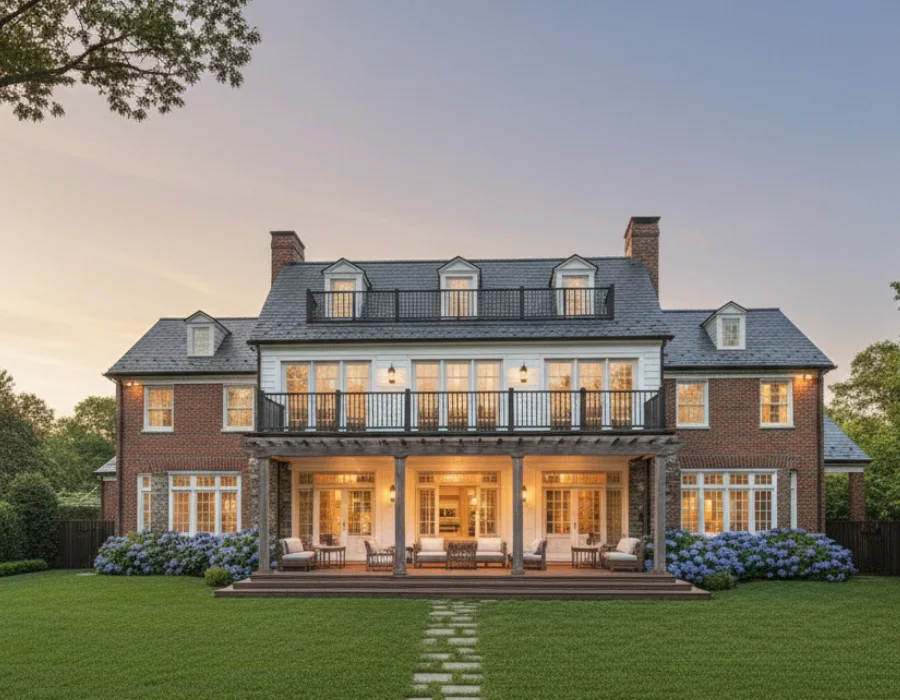
Luxury home renovations offer homeowners an opportunity to reimagine their living spaces without leaving the homes they already love. Whether the goal is to modernize an older property, expand functional space, or elevate the architectural character of a home, a well-planned renovation can dramatically transform both comfort and long-term property value.
Unlike smaller remodeling projects, luxury renovations often involve structural changes, advanced design coordination, and careful planning across multiple construction phases. Kitchens may be redesigned to open into living spaces, new additions may expand the footprint of the home, or entire interior layouts may be reconfigured to support a more modern lifestyle.
At Abode Construction, renovation projects are approached with the same discipline and attention to detail as new custom homes. The goal is not simply to update finishes but to create spaces that integrate design, functionality, and craftsmanship in a cohesive way.
Understanding the Scope of a Luxury Renovation
Luxury renovations typically go far beyond cosmetic upgrades. While surface-level improvements such as paint, lighting, or cabinetry can improve aesthetics, larger renovation projects often involve deeper structural and architectural work.
These projects may include:
- full kitchen redesigns and expansions
- primary suite renovations
- large-scale home additions
- basement transformations
- structural reconfiguration of interior spaces
- integration of modern building systems
Because these projects affect the structure and layout of the home, careful planning is required to ensure the renovation integrates seamlessly with the existing building.
Every home presents its own set of conditions. Older homes may require updates to electrical or plumbing systems, while newer properties may need structural adjustments to accommodate larger open spaces.
This is why experienced builders evaluate the home carefully before beginning design development.
Why Planning Is Essential Before Renovation Begins
One of the most important steps in any renovation project is the planning phase. Before construction begins, the design team and builder work together to evaluate the home’s existing structure and determine how the proposed changes can be implemented safely and efficiently.
Related: What to Expect When Building a Luxury Home
During this stage, several important questions are addressed.
How will the new design integrate with the existing structure?
Are structural reinforcements required to support new layouts or larger openings?
Do mechanical systems need to be updated or relocated?
How will construction be sequenced to minimize disruption?
Answering these questions early allows the team to develop a clear construction strategy.
Typical planning activities during a renovation project include:
- evaluating the structural framework of the home
- reviewing existing electrical, plumbing, and HVAC systems
- developing architectural concepts and layouts
- coordinating structural engineering requirements
- creating realistic construction timelines
At Abode Construction, this early planning phase ensures that renovation projects move forward with clarity and minimal surprises during construction.
Reimagining Interior Layouts for Modern Living
Many luxury renovation projects focus on improving the way spaces connect and function. Homes built decades ago often feature more segmented layouts, with separate rooms dedicated to specific purposes.
Modern living, however, tends to favor more open and flexible spaces.
Renovations frequently involve reconfiguring interior layouts to create:
- open kitchen and living areas
- improved natural light through larger windows
- stronger connections between indoor and outdoor spaces
- expanded primary suites and bathrooms
- multi-functional living areas
Removing walls, expanding openings, or adjusting circulation paths can significantly change how a home feels and functions.
However, these structural changes require careful engineering to ensure the building remains stable and safe. Builders must evaluate load-bearing walls, structural beams, and support systems before modifying the structure.
High-End Materials and Architectural Details
Luxury renovations often involve upgrading materials and finishes to reflect a higher level of craftsmanship and durability.
These upgrades may include:
- custom cabinetry and built-in millwork
- natural stone countertops and surfaces
- wide-plank hardwood flooring
- architectural lighting systems
- high-performance windows and doors
In many cases, the goal is not simply to replace existing materials but to create a more cohesive design language throughout the home.
Thoughtful material selection can significantly influence both the appearance and longevity of the renovation. High-quality materials often provide better durability and aging characteristics, ensuring the renovation continues to perform well over time.
At Abode Construction, material selection is treated as an integral part of the design process rather than an afterthought.
Integrating Modern Building Systems
Renovation projects also provide an opportunity to upgrade the hidden systems that support comfort and energy efficiency.
Many older homes were built with mechanical systems that no longer meet modern expectations for performance or efficiency. Renovations allow these systems to be improved while walls and ceilings are open.
Related: Luxury Home Renovation Ideas
Some common upgrades include:
- modern HVAC systems for improved comfort
- energy-efficient insulation strategies
- updated electrical infrastructure
- smart home technology integration
- improved indoor air quality systems
While these systems are not always visible, they play a critical role in the long-term performance of the home.
Investing in updated building systems during a renovation can improve energy efficiency, comfort, and overall property value.
Managing Construction in an Existing Home
Renovating an existing home presents unique challenges compared to building a new house from the ground up.
Construction teams must carefully protect existing structures while introducing new elements. Unexpected discoveries may occur when walls or floors are opened, particularly in older homes where previous modifications may have been made.
Experienced builders anticipate these challenges and develop construction plans that allow flexibility while maintaining progress.
Effective renovation management typically includes:
- careful demolition and structural evaluation
- protecting existing finishes and materials
- sequencing construction phases strategically
- maintaining safe work environments
- coordinating multiple trades within limited spaces
At Abode Construction, renovation projects are managed with a focus on precision and clear communication so homeowners understand how the project is progressing.
Enhancing Property Value Through Renovation
Beyond improving daily living spaces, luxury renovations often increase the long-term value of the property.
Thoughtful improvements that enhance functionality, modernize design, and upgrade building systems can make homes significantly more attractive in the real estate market.
Some renovations known to provide strong value include:
- kitchen expansions and modernizations
- primary bathroom renovations
- additional living space through additions
- improved energy efficiency systems
- upgraded exterior design and curb appeal
While the financial return of renovations can vary depending on the market, many homeowners find that the combination of improved comfort and increased property value makes the investment worthwhile.
Collaboration Between Homeowners and Builders
Successful renovation projects rely heavily on collaboration. Homeowners bring the vision for how they want their home to function, while builders and designers contribute technical expertise that helps make that vision possible.
Related: Hiring a Certified Construction Manager
Clear communication between these groups is essential.
Throughout a renovation project, homeowners typically participate in discussions about layout adjustments, material selections, and finishing details. Builders help guide these decisions while ensuring the project remains aligned with structural requirements and construction timelines.
This collaborative process ensures that the finished renovation reflects both the homeowner’s goals and sound construction practices.
Creating a Home That Evolves with You
Homes are not static spaces. As families grow, lifestyles change, and architectural preferences evolve, many homeowners choose to adapt their homes rather than relocate.
Luxury renovations provide an opportunity to reimagine existing spaces in ways that support modern living while preserving the character of the original home.
Through thoughtful design, careful planning, and skilled construction, renovations can transform older properties into homes that feel both refreshed and timeless.
At Abode Construction, the focus is on helping homeowners navigate this transformation with confidence. By combining design insight with disciplined construction management, the team works to ensure that each renovation enhances both the beauty and functionality of the home for years to come.
FAQs
1. What is considered a luxury home renovation?
A luxury home renovation involves high-end design, structural changes, and premium materials to improve both functionality and aesthetics. These projects often include layout reconfiguration, custom finishes, and upgraded building systems.
2. How much do luxury home renovations cost?
Costs vary depending on the size, scope, and materials used. Luxury renovations typically require a detailed planning process to align design goals with budget, especially when structural changes and custom features are involved.
3. Do luxury renovations increase property value?
Yes, well-executed renovations can significantly increase property value by improving functionality, modernizing design, and upgrading systems such as HVAC, electrical, and insulation.
4. How long does a luxury home renovation take?
Timelines vary based on project complexity, but most luxury renovations take several months to over a year. Proper planning and experienced project management help ensure smoother execution.
5. Can I live in my home during a major renovation?
It depends on the scope of work. For large renovations involving structural changes or multiple areas of the home, temporary relocation is often recommended to ensure safety and efficiency.

Scott Saling is the owner of Abode Construction LLC, a residential contracting and remodeling company based in Gaithersburg, MD. A second-generation contractor and third-generation Marine Corps veteran, he brings military-level planning, discipline, and attention to detail to every project.
With two combat deployments to Iraq, Scott values clear communication above all, believing that keeping homeowners informed at every stage is key to a successful project. His commitment to transparency, craftsmanship, and customer satisfaction drives every renovation his team delivers.